#collegemeltdown #collegetown #covid #credentialism #crypto #CTE #debtcollective #degowning #dehumanization #DEI #democracy #deportation
#dissent #diversity #DOD #DOGE #divest #doomloop #dualenrollment #edtech #edugrift #enshittification #Epstein #epsteinfiles #FAFSA #fascism #FOXnews #freespeech #genocide #Gini #greed #Harvard #HBCU #Hegseth #HHS #history #ICE #IDR #immigration #incel #India #inequality #Intel #Iran #jobless #kleptocracy #labor #law #lawlessness #lawschool #leadgen #LibertyUniversity #LibertyUniversityOnline #medschool #medugrift #militarization #MIT #moralcapital #Musk
#NASA #NCAA #NDA #NSF #neoliberal #nihilism #nokings #nonviolence #Palantir #Palestine #pandemic #porn #Princeton
#solidarity #Stanford #strikedebt #surveillance #tech #techbros #temperance #thiel #tiktok #TPUSA #transparency #Trump
#veritas #virtue #Vistria #wikipedia #Yale

On our last full day of operation, we extend our deepest gratitude to the many courageous voices who have contributed to the Higher Education Inquirer over the years. Through research, reporting, whistleblowing, analysis, and public service, you have exposed inequities, challenged powerful interests, and helped the public understand the realities of higher education. Together, you form a resilient network of knowledge, courage, and public service, showing that collective insight can illuminate even the most entrenched systems. Your dedication has been, and continues to be, invaluable.
Special thanks to:
Bryan Alexander (Future Trends Forum), J. J. Anselmi (author), Devarian Baldwin (Trinity College), Lisa Bannon (Wall Street Journal), Joe Berry (Higher Education Labor United), Kate Bronfenbrenner (Cornell), Stephen Burd (New America), Ann Bowers (Debt Collective), James Michael Brodie (Black and Gold Project Foundation), Patrick Campbell (Vets Ed Brief), Richard Cannon (activist), Kirk Carapezza (WGBH), Kevin L. Clay (Rutgers), Randall Collins (UPenn), Marianne Dissard (activist), Cory Doctorow, William Domhoff (UC Santa Cruz), Ruxandra Dumitriu, Keil Dumsch, Garrett Fitzgerald (College Recon), Glen Ford (with the ancestors), Richard Fossey (Condemned to Debt), Erica Gallagher (2U Whistleblower), Cliff Gibson III (Gibson & Keith), Henry Giroux (McMaster University), Terri Givens (University of British Columbia), Aaron Glantz, Luke Goldstein (The Lever), Nathan Grawe (Carleton College), Michael Green (UNLV), Michael Hainline (Restore the GI Bill for Veterans), Debra Hale Shelton (Arkansas Times), Stephanie M. Hall (Protect Borrowers), David Halperin (Republic Report), Bill Harrington (Croatan Institute), Phil Hill (On EdTech), Investor X (business insider), Robert Jensen (UT Austin), Seth Kahn (WCUP), Hank Kalet (Rutgers), Ben Kaufman (Protect Borrowers), Robert Kelchen (University of Tennessee), Karen Kelsky (The Professor Is In), Neil Kraus (UWRF), LACCD Whistleblower, Michelle Lee (whistleblower), Wendy Lynne Lee (Bloomsburg University of PA), Emmanuel Legeard (whistleblower), Adam Looney (University of Utah), Alec MacGillis (ProPublica), Jon Marcus (Hechinger Report), Steven Mintz (University of Texas), John D. Murphy (Mission Forsaken), Annelise Orleck (Dartmouth), Margaret Kimberly (Black Agenda Report), Austin Longhorn (UT student loan debt whistleblower), Richard Pollock (journalist), Debbi Potts (whistleblower), Jack Metzger (Roosevelt University), Derek Newton (The Cheat Sheet), Jeff Pooley (Annenberg Center), Fahmi Quadir (Safkhet Capital), Chris Quintana (USA Today), Jennifer Reed (University of Akron), Kevin Richert (Idaho Education News), Gary Roth (Rutgers-Newark), Mark Salisbury (TuitionFit), Stephanie Saul (NY Times), Christopher Serbagi (Serbagi Law), Alex Shebanow (Fail State), Bob Shireman (TCF), Bill Skimmyhorn (William & Mary), Peter Simi (Chapman University), Jeffrey Sonnenfeld (Yale), Gary Stocker (College Viability), Strelnikov (Wikipedia Sucks), Taylor Swaak (Chronicle of Higher Education), Theresa Sweet (Sweet v Cardona), Harry Targ (Purdue University), Moe Tkacik (American Prospect), Kim Tran (activist), Mark Twain Jr. (business insider), Michael Vasquez (The Tributary), Marina Vujnovic (Monmouth), Richard Wolff (Economic Update), David Whitman, Todd Wolfson (Rutgers, AFT), Helena Worthen (Higher Ed Labor United), DW (South American Correspondent), Heidi Weber (Whistleblower Revolution), Michael Yates (Monthly Review), government officials who have supported transparency and accountability, and the countless other educators, researchers, whistleblowers, advocates, and public servants whose work strengthens our understanding of higher education.
Dum spiro spero (While I breathe, I hope),
Dahn Shaulis and Glen McGhee

*****************************************************
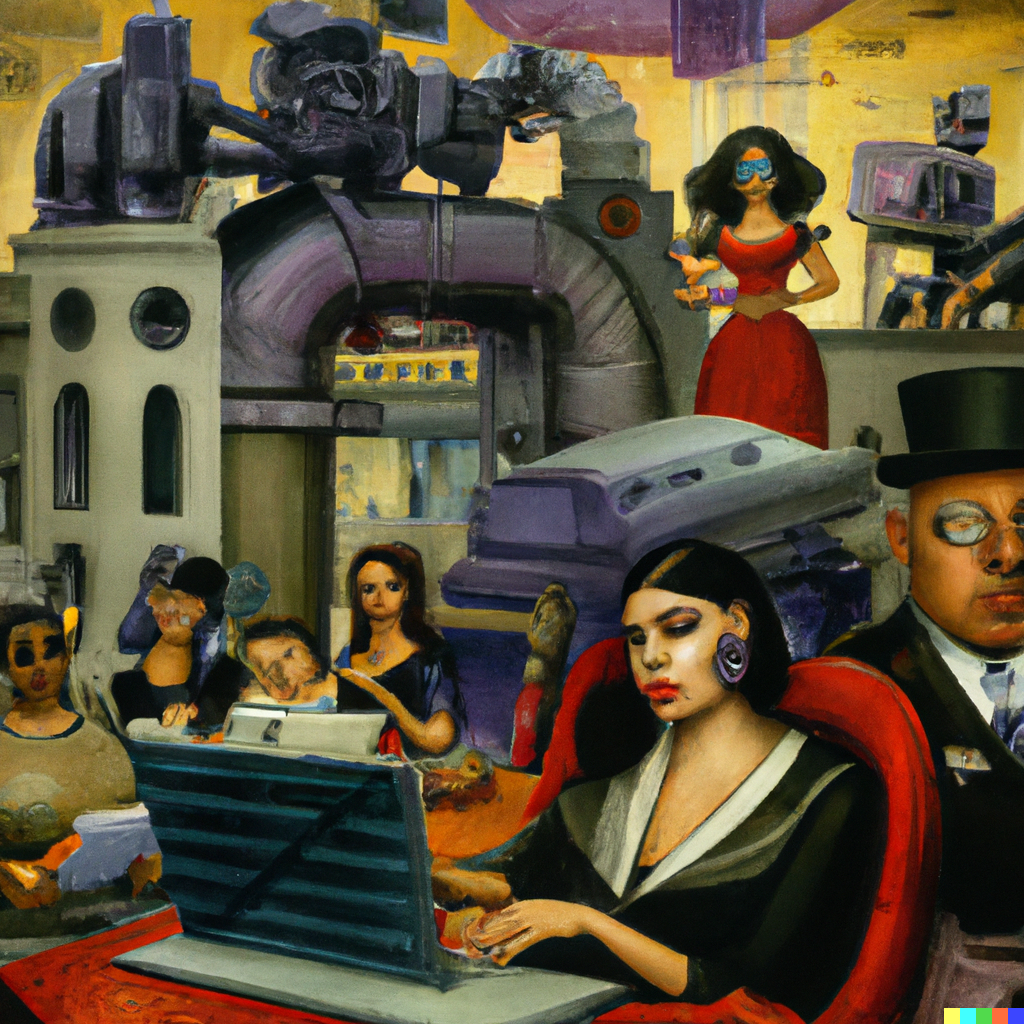
Higher Education and Class Sorting. Image by Glen McGhee
Special thanks to:
Bryan Alexander (Future Trends Forum), J. J. Anselmi (author), Devarian Baldwin (Trinity College), Lisa Bannon (Wall Street Journal), Joe Berry (Higher Education Labor United), Kate Bronfenbrenner (Cornell), Stephen Burd (New America), Ann Bowers (Debt Collective), James Michael Brodie (Black and Gold Project Foundation), Patrick Campbell (Vets Ed Brief), Richard Cannon (activist), Kirk Carapezza (WGBH), Kevin L. Clay (Rutgers), Randall Collins (UPenn), Marianne Dissard (activist), Cory Doctorow, William Domhoff (UC Santa Cruz), Ruxandra Dumitriu, Keil Dumsch, Garrett Fitzgerald (College Recon), Glen Ford (with the ancestors), Richard Fossey (Condemned to Debt), Erica Gallagher (2U Whistleblower), Cliff Gibson III (Gibson & Keith), Henry Giroux (McMaster University), Terri Givens (University of British Columbia), Aaron Glantz, Luke Goldstein (The Lever), Nathan Grawe (Carleton College), Michael Green (UNLV), Michael Hainline (Restore the GI Bill for Veterans), Debra Hale Shelton (Arkansas Times), Stephanie M. Hall (Protect Borrowers), David Halperin (Republic Report), Bill Harrington (Croatan Institute), Phil Hill (On EdTech), Investor X (business insider), Robert Jensen (UT Austin), Seth Kahn (WCUP), Hank Kalet (Rutgers), Ben Kaufman (Protect Borrowers), Robert Kelchen (University of Tennessee), Karen Kelsky (The Professor Is In), Neil Kraus (UWRF), LACCD Whistleblower, Michelle Lee (whistleblower), Wendy Lynne Lee (Bloomsburg University of PA), Emmanuel Legeard (whistleblower), Adam Looney (University of Utah), Alec MacGillis (ProPublica), Jon Marcus (Hechinger Report), Steven Mintz (University of Texas), John D. Murphy (Mission Forsaken), Annelise Orleck (Dartmouth), Margaret Kimberly (Black Agenda Report), Austin Longhorn (UT student loan debt whistleblower), Richard Pollock (journalist), Debbi Potts (whistleblower), Jack Metzger (Roosevelt University), Derek Newton (The Cheat Sheet), Jeff Pooley (Annenberg Center), Fahmi Quadir (Safkhet Capital), Chris Quintana (USA Today), Jennifer Reed (University of Akron), Kevin Richert (Idaho Education News), Gary Roth (Rutgers-Newark), Mark Salisbury (TuitionFit), Stephanie Saul (NY Times), Christopher Serbagi (Serbagi Law), Alex Shebanow (Fail State), Bob Shireman (TCF), Bill Skimmyhorn (William & Mary), Peter Simi (Chapman University), Jeffrey Sonnenfeld (Yale), Gary Stocker (College Viability), Strelnikov (Wikipedia Sucks), Taylor Swaak (Chronicle of Higher Education), Theresa Sweet (Sweet v Cardona), Harry Targ (Purdue University), Moe Tkacik (American Prospect), Kim Tran (activist), Mark Twain Jr. (business insider), Michael Vasquez (The Tributary), Marina Vujnovic (Monmouth), Richard Wolff (Economic Update), David Whitman, Todd Wolfson (Rutgers, AFT), Helena Worthen (Higher Ed Labor United), DW (South American Correspondent), Heidi Weber (Whistleblower Revolution), Michael Yates (Monthly Review), government officials who have supported transparency and accountability, and the countless other educators, researchers, whistleblowers, advocates, and public servants whose work strengthens our understanding of higher education.